


12 Places Travelers Are Warning Against Going In 2026
12 Places Travelers Are Warning Against Going In 2026

Gretë EshrefiMon, August 17, 2026 at 1:02 PM UTC
40
Nina Michaels / iStockphoto
Some destinations may still look tempting in photos, but serious safety concerns can make them poor choices for a vacation. The U.S. State Department continues to place several countries under its highest Level 4 “Do Not Travel” advisory because of risks ranging from armed conflict and kidnapping to wrongful detention, disease outbreaks, and limited emergency assistance. These Places Travelers Are Warning Against Going In 2026 may have plenty to offer culturally, but current conditions make careful research more important than ever.
Haiti
Guerinault Louis / iStockphoto
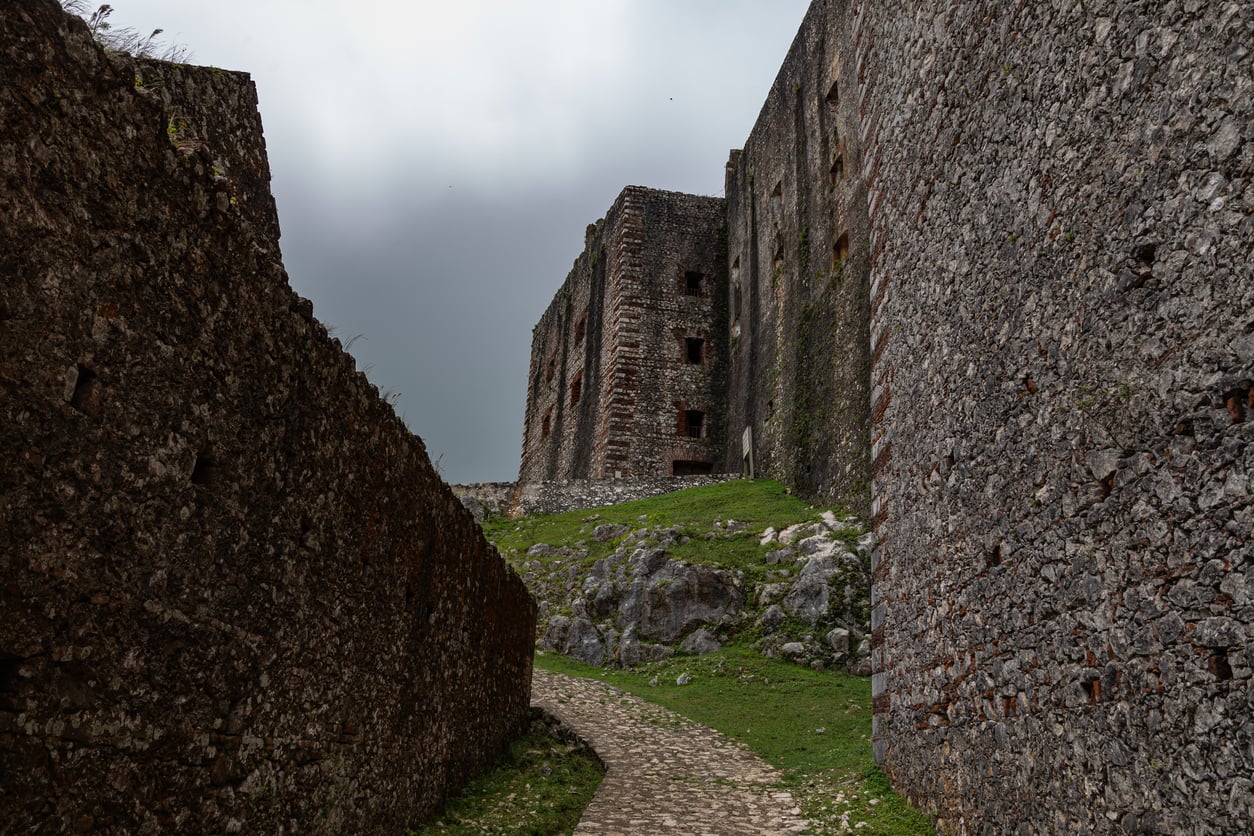
Haiti’s beaches, art, food, and extraordinary history normally give travelers plenty of reasons to be curious, but this is not an ordinary year for tourism. The State Department’s July 10 advisory says not to travel because of crime, kidnapping, terrorism, unrest, and limited health care. Haiti also remains under a national state of emergency, while U.S. government employees face severe movement restrictions. That last point matters: American authorities describe their ability to assist citizens during emergencies as extremely limited.
Lebanon

DrRave / iStockphoto
Lebanon packs Mediterranean coastline, celebrated food, ancient sites, and Beirut into a remarkably small country, which makes its current situation especially frustrating for would-be visitors. The United States lists the entire country at Level 4 because of crime, terrorism, unrest, kidnapping, landmines, and armed conflict. Non-emergency U.S. personnel and government family members were ordered to leave Beirut in February because of security risks. Even travelers planning to stay far from the southern border have to consider the possibility of sudden escalation and transportation disruption.
Myanmar

MartinM303 / iStockphoto
The classic Myanmar itinerary once revolved around temples, markets, historic cities, and journeys through some of Southeast Asia’s most memorable landscapes. In 2026, that older image of the country can be dangerously misleading. The State Department warns against all travel because of armed conflict, civil unrest, arbitrary enforcement of laws, poor health infrastructure, landmines, unexploded ordnance, and crime. It also notes that roads and airports can be restricted, potentially leaving travelers isolated, while consular officers cannot safely reach every part of the country.
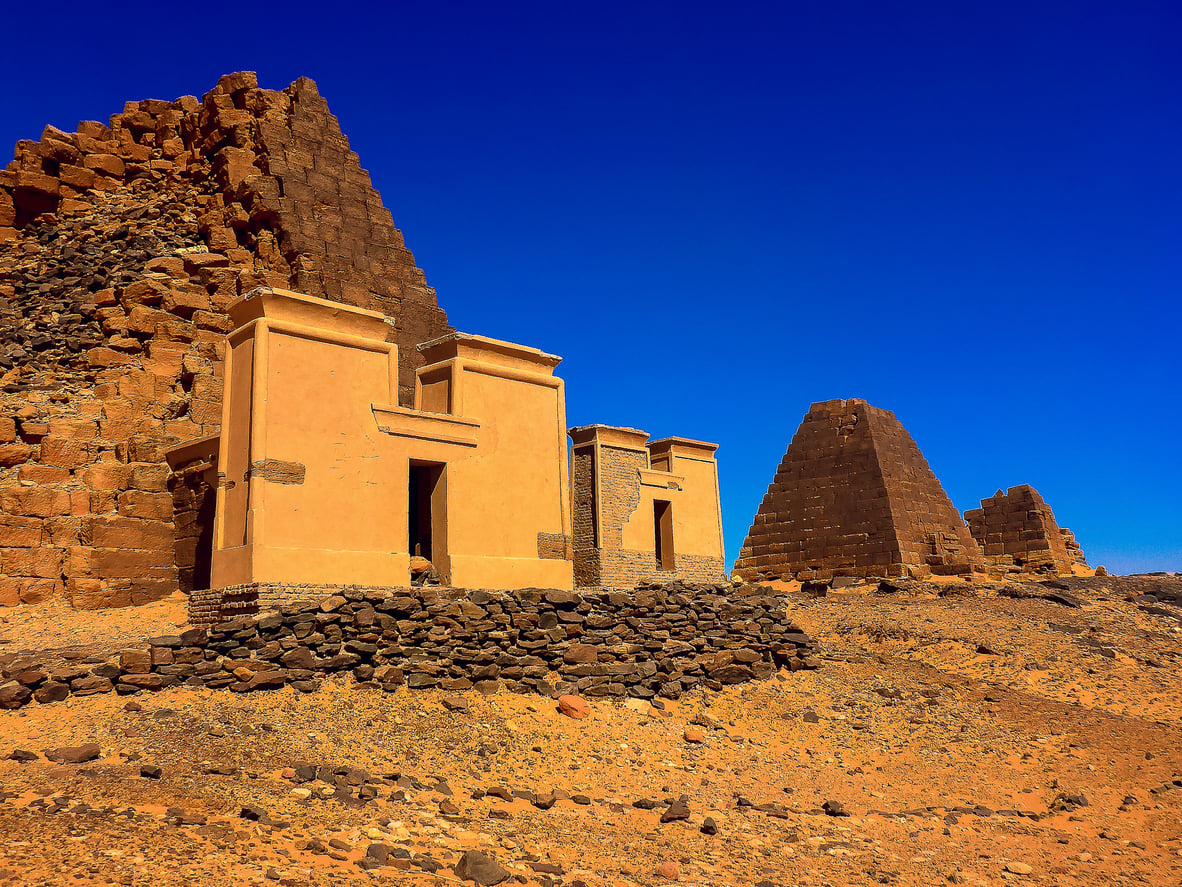
SudanNina Michaels / iStockphoto
For history lovers, Sudan’s archaeological heritage makes the country’s continuing conflict particularly heartbreaking. But this is not a case where an adventurous traveler can simply accept a few inconveniences. Sudan remains Level 4 because of unrest, crime, kidnapping, terrorism, landmines, and health threats. More importantly, the U.S. Embassy in Khartoum suspended operations after fighting erupted in 2023. The State Department says it cannot provide routine or emergency consular services to Americans inside Sudan, making an already serious problem much harder if something goes wrong.
Afghanistan
saiko3p/istockphoto
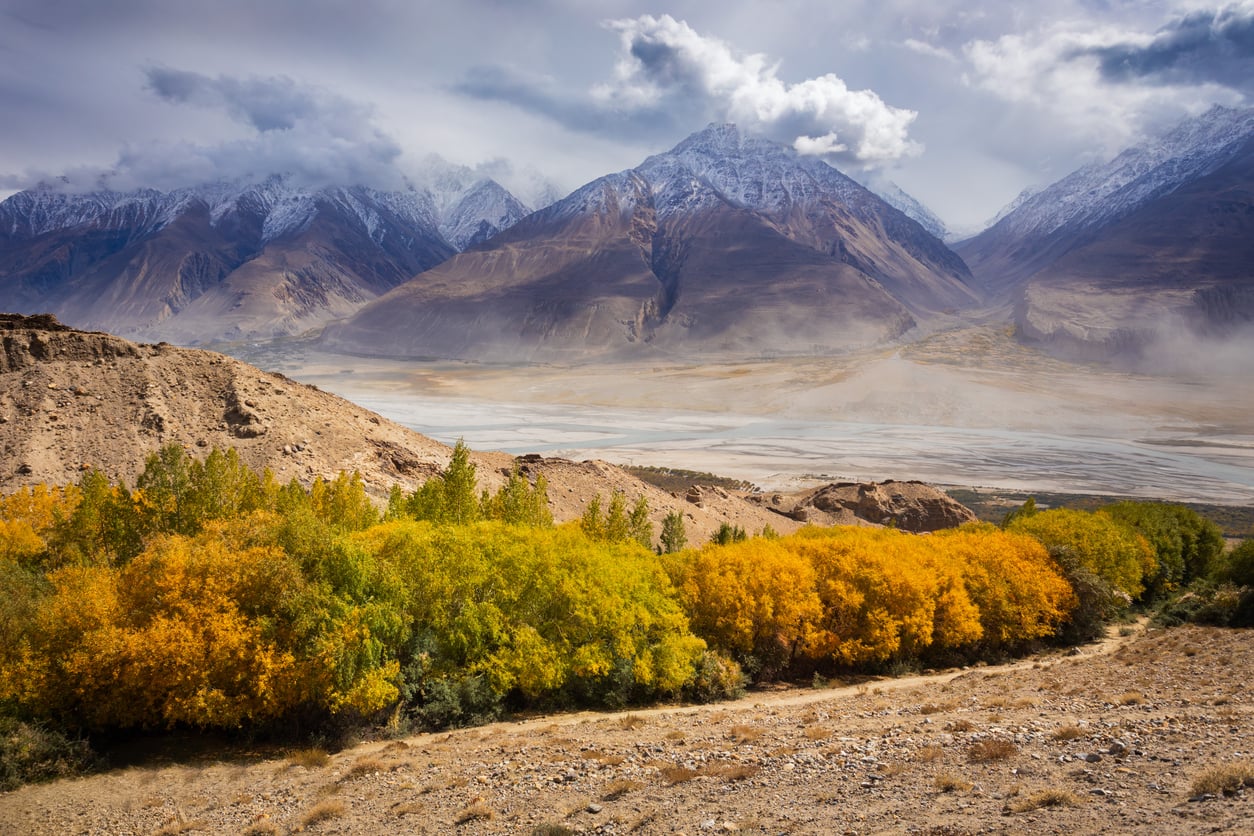
A small number of adventurous travelers continue to be intrigued by Afghanistan’s mountains, historic cities, and long cultural history, but the existence of organized tours should not be mistaken for a government safety endorsement. The February 2026 U.S. advisory says not to travel for any reason, citing terrorism, crime, civil unrest, kidnapping, wrongful detention, natural disasters, and limited health facilities. The American embassy in Kabul has been suspended since 2021, so travelers cannot count on routine or emergency U.S. consular assistance inside the country.
Advertisement
Yemen
Belal Al-shaqaqi / iStockphoto
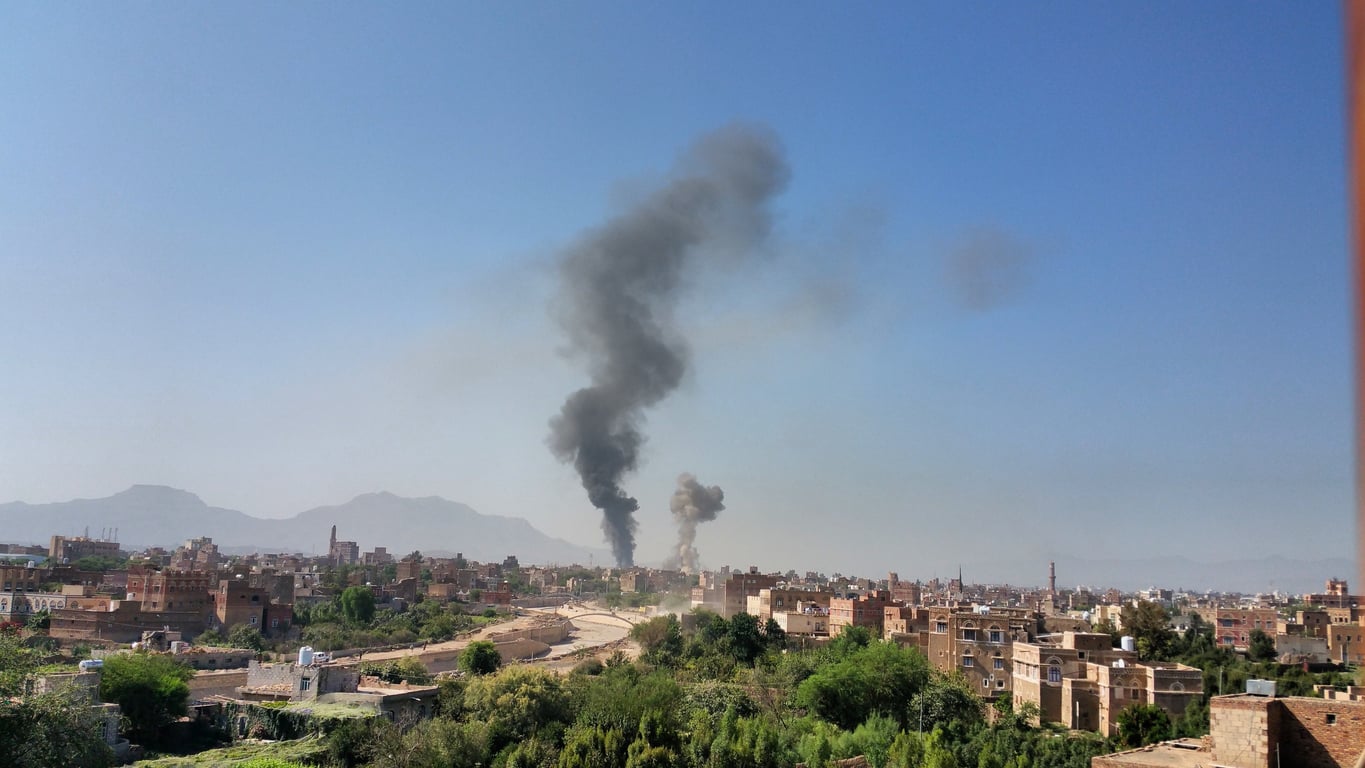
Images of Socotra’s otherworldly landscapes regularly tempt adventure travelers, while Yemen’s mainland contains historic architecture unlike almost anywhere else. The practical situation is much less romantic. Yemen remains Level 4 because of terrorism, unrest, kidnapping, crime, health risks, and landmines. The warning was renewed in December 2025 without any reduction in its severity. A tour company being willing to organize a journey does not remove those risks, and travelers should be particularly skeptical of social-media posts that present isolated destinations as completely detached from the country’s wider security situation.
Iran
Ashkapoorphoto / iStockphoto
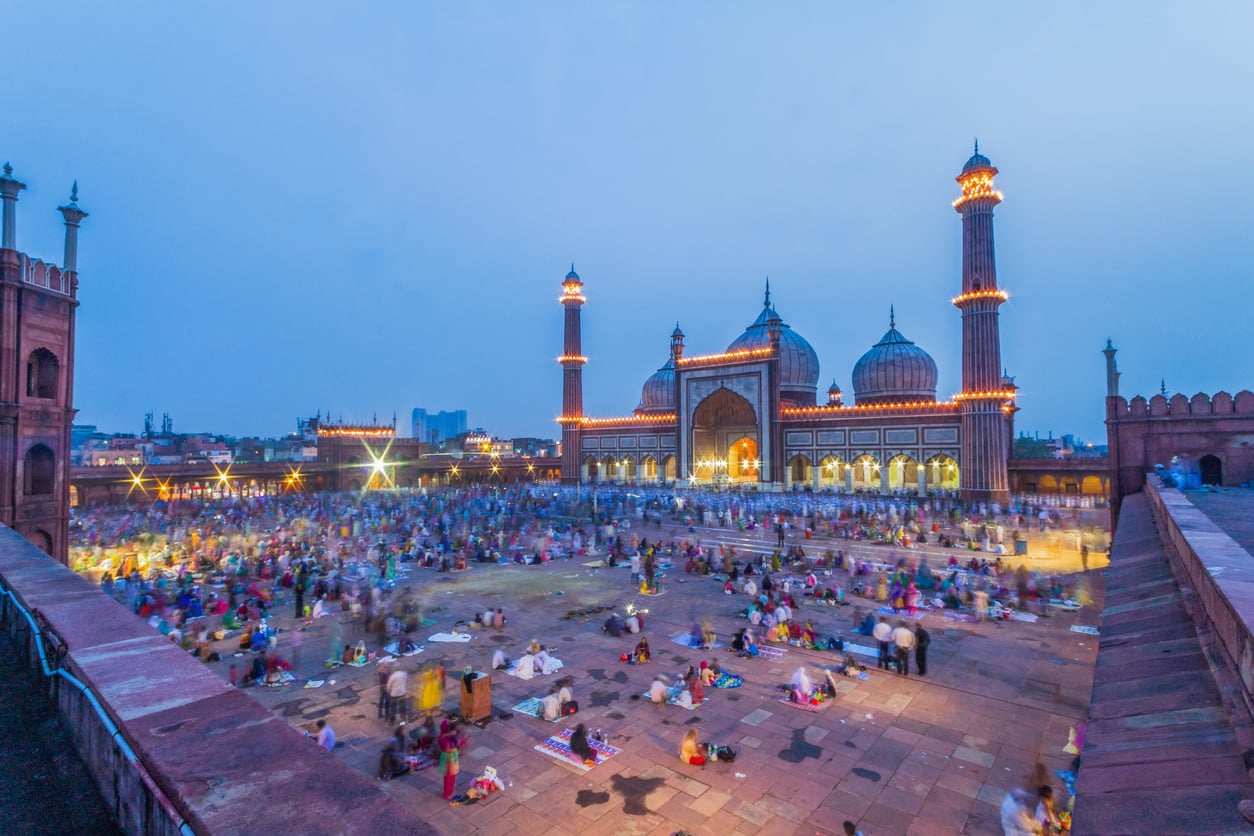
Iran’s archaeological sites, historic cities, architecture, cuisine, and desert landscapes could fill an ambitious itinerary, but Americans face risks here that go well beyond conventional tourist crime. The State Department specifically warns about arbitrary arrest and wrongful detention, along with terrorism, kidnapping, and unrest, and tells U.S. citizens already in Iran to leave. There is also no U.S. Embassy in the country. That makes Iran fundamentally different from a destination where the main concern is watching a wallet or avoiding a rough neighborhood.
Iraq
Dynamoland / iStockphoto
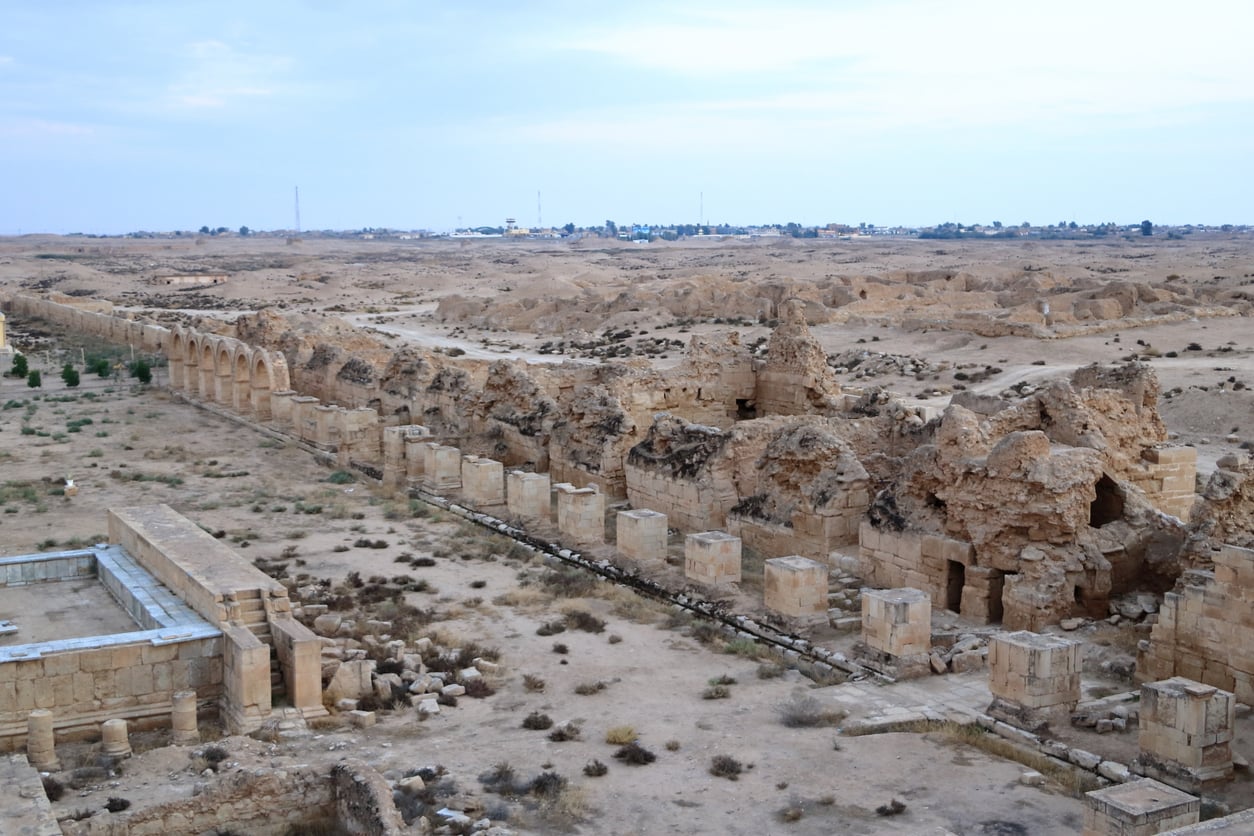
Iraq’s archaeological and religious heritage has encouraged a modest revival in adventurous tourism, but 2026 is not the year to treat it like a newly rediscovered mainstream destination. The State Department says not to travel for any reason because of terrorism, kidnapping, armed conflict, civil unrest, and limited U.S. emergency assistance. In March, non-emergency American government employees were ordered to leave because of security concerns. Conditions can vary considerably by region, but that distinction does not override the nationwide Level 4 warning.
Syria
aboud hamam / iStockphoto
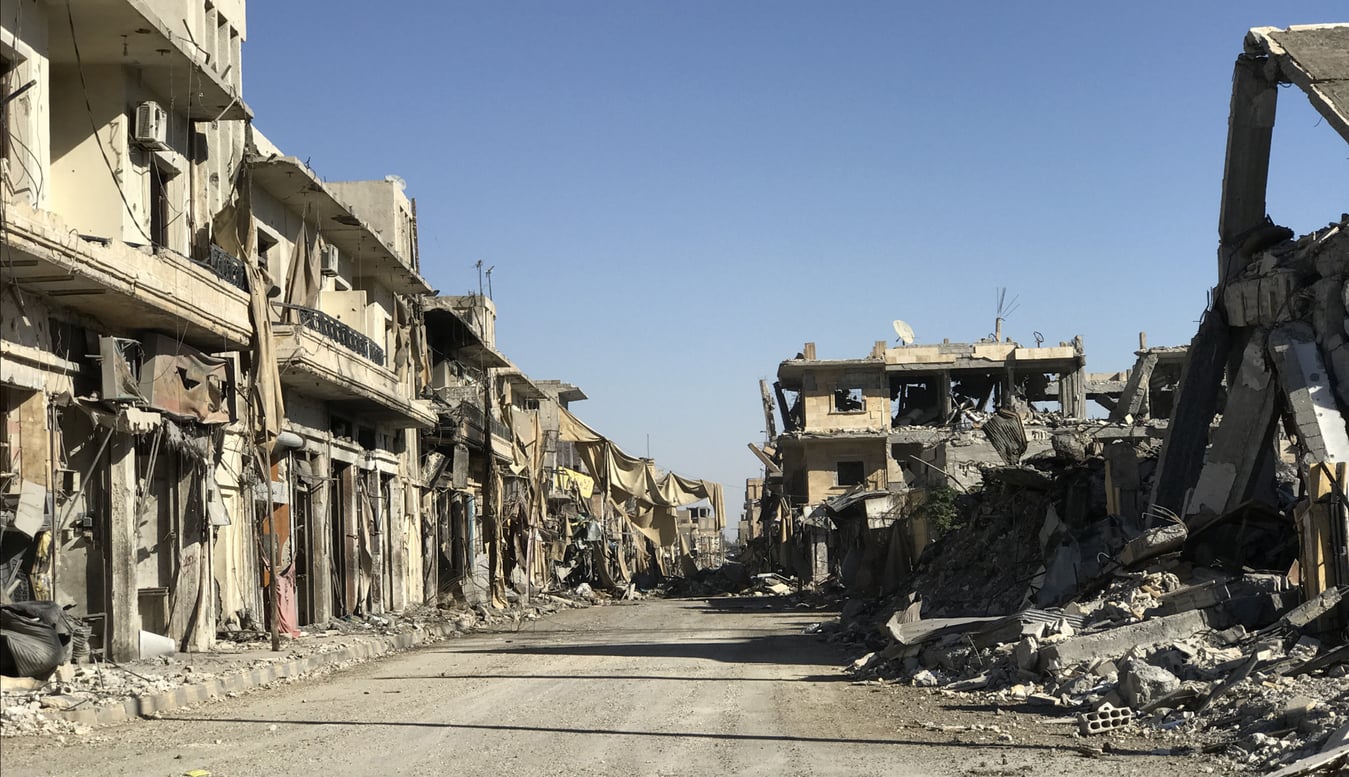
Travel content from Damascus and other parts of Syria has begun appearing again as borders and some tourism activity reopen, but reopening is not the same thing as normalization. The State Department refreshed its Syria advisory on August 7, 2026 and kept the country at Level 4 because of terrorism, unrest, kidnapping, hostage taking, crime, and armed conflict. U.S. Embassy operations have been suspended since 2012, and the American government says it cannot provide normal emergency or routine consular services inside Syria.
Russia

vshq / iStockphoto
Moscow, St. Petersburg, museums, historic architecture, and long-distance rail journeys once made Russia an obvious bucket-list destination for many cultural travelers. For Americans, the warning in 2026 centers heavily on something much harder to manage than petty crime: wrongful detention. The State Department tells Americans not to travel and advises those already there to leave. It also says assistance is especially limited outside Moscow and warns that detained Americans are not guaranteed U.S. consular access, substantially raising the stakes of even an unexpected legal problem.
Uganda
Fabien Chesneau / iStockphoto
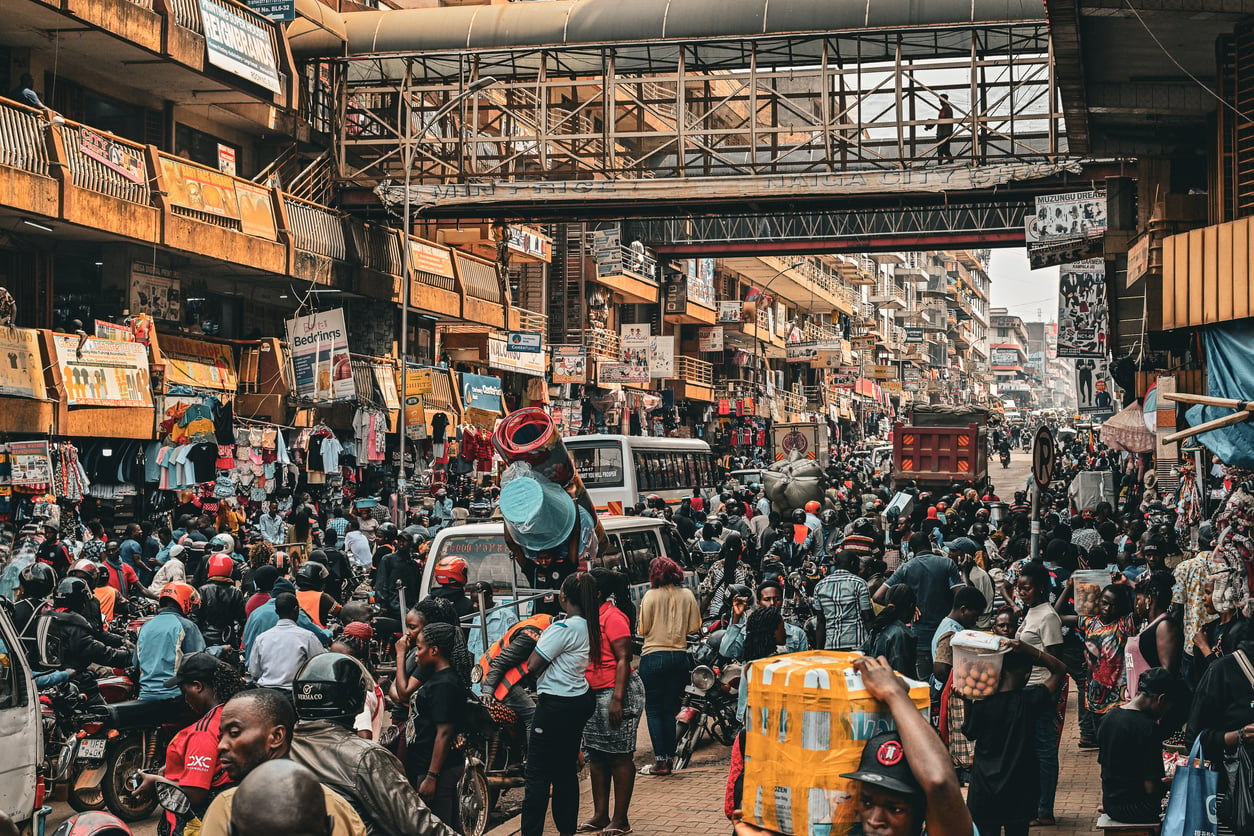
Uganda belongs on a 2026 list because circumstances have changed dramatically. The country is famous among travelers for wildlife and gorilla trekking, but the State Department currently lists Uganda at Level 4 because of health concerns, crime, terrorism, and unrest. The advisory was raised to Level 4 in May amid the regional Ebola outbreak. Americans returning after time in Uganda are also being routed through designated U.S. airports for enhanced public-health screening.
Democratic Republic of the Congo

borgogniels / iStockphoto
The Democratic Republic of the Congo may be the most time-sensitive addition to this list. Its July 15 advisory is Level 4 because of health risks, crime, unrest, terrorism, and kidnapping, with the ongoing Ebola outbreak creating an extraordinary additional complication. Americans and U.S. nationals who have been in the DRC during the previous 21 days currently cannot board commercial flights bound for the United States and must remain outside the DRC for 21 days before doing so. That alone makes an ordinary leisure trip extremely impractical right now.
Source: “AOL Breaking”
